
Stablecoins started as a way to transfer money across the cryptocurrency industry, and their swift expansion lately is creating an unexpected link with the U.S. government debt market. To ensure that the amount of tokens in circulation is backed by dollars, issuers of dollar-backed stablecoins must maintain reserves.
If the pattern continues as stablecoins grow in popularity, there could be more demand for short-term U.S. government debt. What’s more interesting is the prospect of a product built for crypto markets being gradually integrated into the way Washington finances its rising debt load.
A New Source of Treasury Demand
The relationship between stablecoins and Treasury bills is fairly simple: issuers take dollars when users purchase stablecoins and must ensure that they have sufficient reserves. These reserves can include short-term government securities under the payment stablecoin regulatory framework.
Hence, more reserve assets may be needed as the stablecoin market grows. With that growth potentially leading issuers to allocate more reserves to Treasury bills, stablecoin adoption could result in additional demand for U.S. government securities. This prospect is relevant because stablecoin issuers could become recurring buyers of short-term government debt as the market expands.
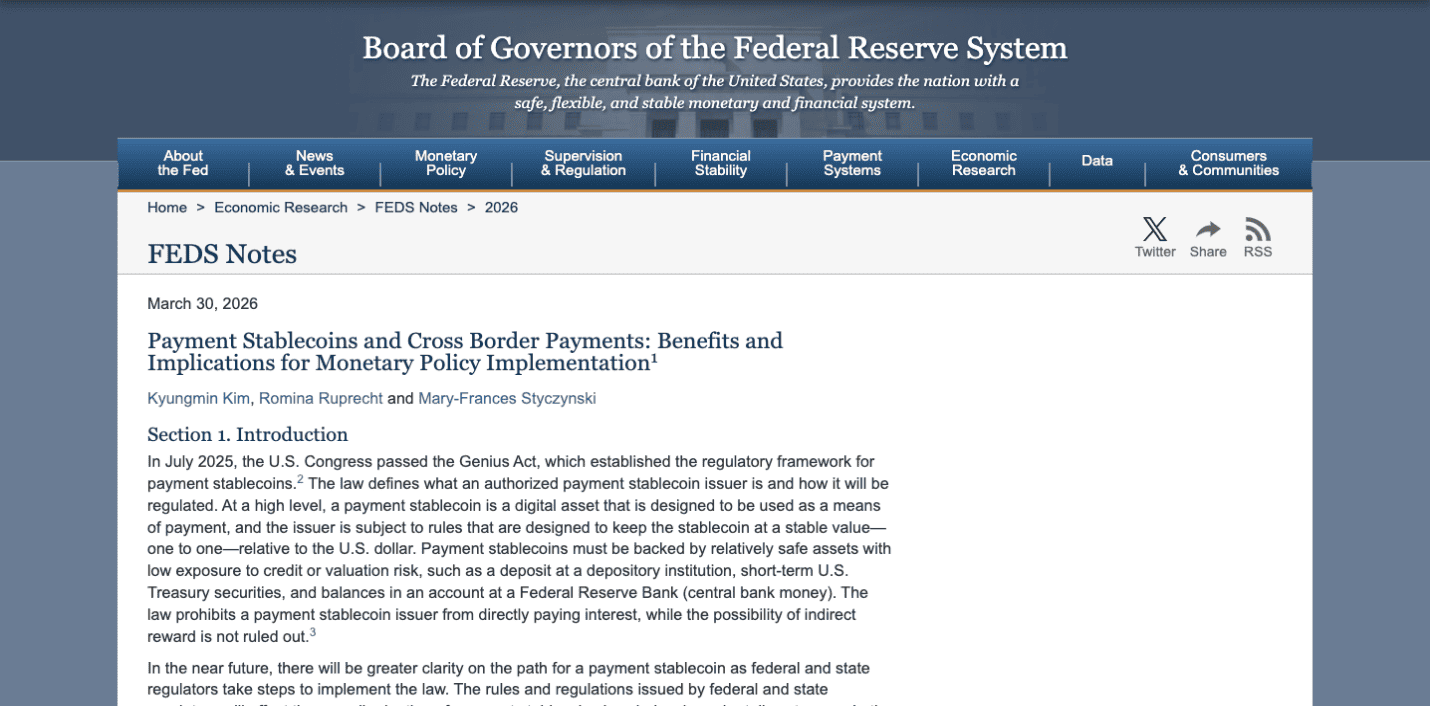
The federal government issues a huge volume of debt to cover budget deficits and replace maturing securities. In that process, short-term Treasury bills are especially important. Stablecoin issuers could therefore become a recurring source of demand, although their purchases would be driven primarily by reserve requirements and the growth of the stablecoin market rather than by traditional investment decisions.
Furthermore, this relationship may become more relevant if stablecoins continue gaining international adoption. Dollar-backed stablecoins have become more popular among people outside the United States for transfers, trading, payments, and storing digital dollars. As the stablecoin supply grows, issuers may need additional reserves to support the tokens in circulation.
Where Debt Policy Enters the Picture
In terms of U.S. debt policy, the relationship is more nuanced because Washington does not directly control stablecoin demand. Regulation can, however, influence how stablecoin issuers manage the assets held as reserves.
The GENIUS Act further strengthened this connection by creating a federal regulatory framework for payment stablecoins. One part of the framework requires eligible issuers to hold reserves in specified high-quality dollar-denominated assets. The regulation could therefore strengthen the connection between stablecoin growth and demand for U.S. Treasuries by creating a reserve system that includes government securities, without directing issuers on how to finance federal borrowing.
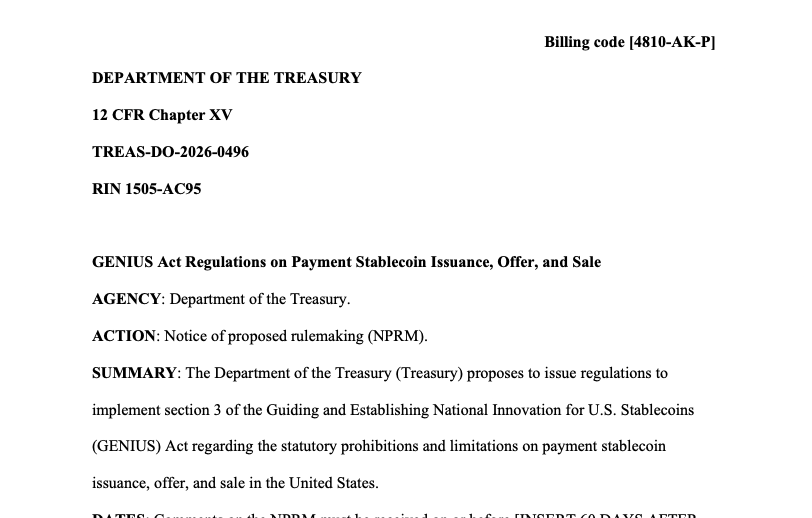
Treasury demand generated by new stablecoin purchases will not necessarily be equal to the growth in stablecoin supply. Stablecoin growth could partly reflect a reallocation of assets from bank deposits or other financial instruments. In those cases, the effect could represent a redirection of existing funds rather than a comparable increase in net demand for government debt.
Nevertheless, the potential scale is worth considering. If the stablecoin market were to reach several trillion dollars, even a fraction of its reserves allocated to Treasury bills could represent a significant source of demand for short-term government debt. The size of that effect would depend on reserve composition, the source of stablecoin inflows, and how issuers manage their portfolios.
A Digital-Dollar Strategy With Limits
Stablecoins could strengthen the dollar’s global position by giving users abroad easier access to digital dollars without traditional U.S. banking relationships. As stablecoin use grows, issuers may need larger reserves, potentially increasing demand for short-term U.S. Treasury bills.
However, this could create another channel for global demand for dollars to flow into U.S. debt, although it would not reduce budget deficits or the amount of debt Washington needs to issue. The relationship also carries risks. A sharp drop in stablecoin demand could lead to large redemptions, requiring issuers to liquidate reserve assets. If a substantial share of those reserves were held in Treasury securities and sales occurred rapidly, that could add pressure to markets during periods of financial stress.
Stablecoins could therefore support Treasury demand during periods of growth while potentially creating selling pressure during sudden contractions. For now, stablecoins remain a relatively small part of the Treasury market, but their growing use could make them increasingly relevant to U.S. government debt.
The key question is whether stablecoin regulation has unintentionally created a new channel through which global demand for digital dollars can translate into additional demand for Treasuries.