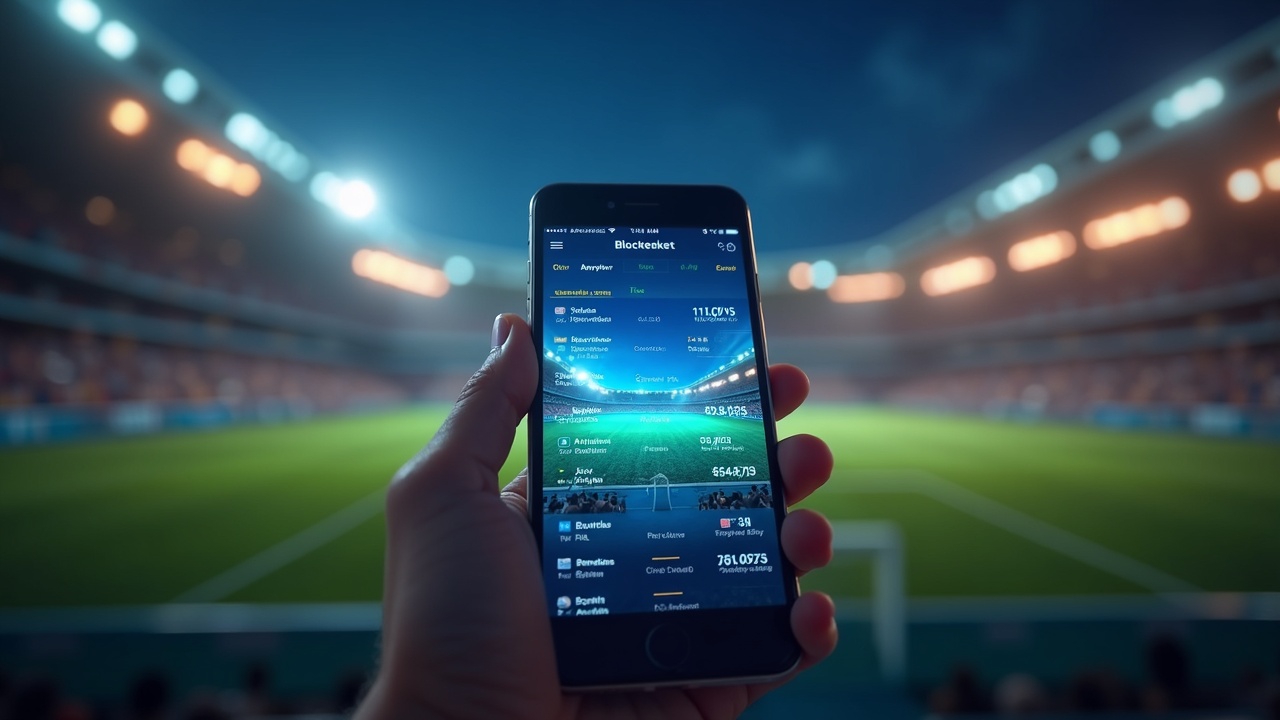
Blockchain.com has embedded Polymarket’s prediction markets inside its application, allowing eligible users outside the U.S. to trade event outcomes using assets already held on the platform. The integration turns prediction-market access into an in-app crypto brokerage feature rather than a separate wallet-and-platform workflow.
The timing is important because the 2026 World Cup has pushed event-based trading into one of crypto’s most active consumer categories. By removing external wallet connections and cross-platform transfers, the partnership gives Blockchain.com users a shorter route from custody to prediction exposure.
App Integration Cuts Wallet Friction
Under the integration, users can explore and manage Polymarket positions without moving funds out of Blockchain.com. That matters because prediction markets often lose users at the onboarding stage, where wallet setup, deposits and external signing create execution friction.
Blockchain.com founder, CEO and executive chairman Peter Smith framed the partnership as an expansion into one of crypto’s fastest-growing sectors at a moment of peak global interest. His comments position prediction markets as a product layer that can sit directly beside spot crypto balances.
Polymarket founder and CEO Shayne Coplan described the alliance as a distribution move that brings what he called the world’s largest information market into the platform where users already manage digital assets. The strategy turns custodial reach into a channel for real-time event trading.
The rollout initially depends on regional eligibility rather than universal access. That distinction matters because prediction markets remain shaped by jurisdictional rules, leaving regulatory geography as a key determinant of where liquidity can form.
World Cup Volumes Redefine Event Trading
World Cup activity has amplified the importance of the integration. By July 13, 2026, Polymarket’s World Cup Winner market had surpassed $4.2 billion in volume, while football-related activity on the global platform exceeded $5 billion over the prior 365 days.
Broader tournament trading has also surged across prediction platforms, with early-stage activity reportedly exceeding $50 billion. That scale shows major sporting events can concentrate speculative liquidity faster than many traditional crypto catalysts.
The Argentina vs. England match on July 15 is expected to further intensify order flow. Polymarket has signaled that the fixture is on track to generate millions in additional trading, making single-match attention a powerful driver of short-term market depth.
The integration could reduce custody overhead and shorten the path from idle assets to event-based positions. That may increase turnover inside custodial wallets and make asset velocity a more important metric for embedded prediction platforms.
The World Cup surge shows how event-driven liquidity behaves differently from spot or derivatives markets. Order flow can spike around match schedules, injuries, outcomes and public sentiment, creating a trading pattern tied to global attention rather than crypto-native cycles.
The partnership also points to a larger strategic shift. Prediction markets are becoming distribution products for major crypto apps, not only standalone venues, and that could reshape how retail users encounter probability markets inside mainstream digital-asset platforms.
Regional access limits will decide where volume concentrates, while execution costs and order-book depth will determine how useful the integration becomes during peak fixtures. The broader signal is clear: embedded prediction markets are moving from niche crypto activity into app-based financial infrastructure.