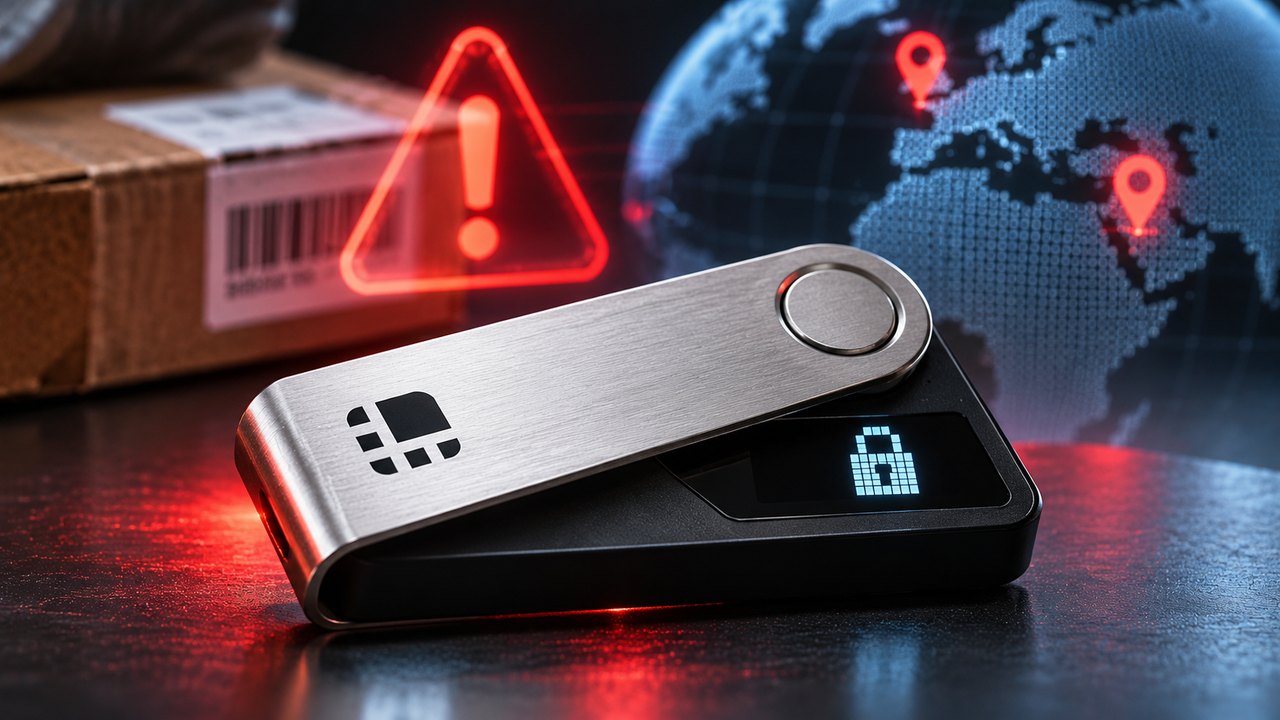
The discovery of tampered Ledger devices in Germany and ongoing investigations in the United Arab Emirates have exposed a problem for crypto security: a hardware wallet can protect private keys against cyberattacks and still reach its owner already compromised.
The company confirmed that criminals modified genuine devices to capture recovery phrases during setup. The attacks began in distribution channels in Southeast Asia, with affected units subsequently identified in Berlin.
Ledger maintains that its secure chip and operating system were not compromised. That distinction matters, but it does not eliminate the responsibility to protect devices throughout the distribution process.
Self-custody continues to offer advantages over financial intermediaries. However, these incidents challenge the assumption that purchasing a hardware wallet is enough to keep cryptocurrencies secure.
Ledger Confirms Tampering Outside Asia
In its official update, Ledger reported finding tampered devices outside Southeast Asia.
The investigation identified affected units in Berlin and a case involving the Ledger Nano Gen 5 model in Asia.
In Dubai, the company is investigating two suspicious devices, although it has not yet confirmed that both were modified.
Ledger also clarified that there are no confirmed cases involving devices purchased directly from its official website.
The company attributes the attacks to a criminal group that tampered with genuine products after they had left its control.
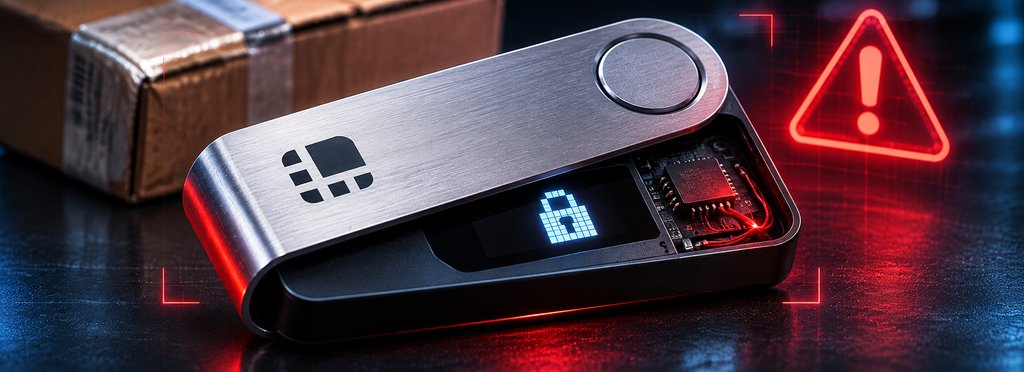
The criminals installed components capable of capturing recovery phrases, potentially allowing them to access victims’ cryptocurrencies later.
In its initial statement in October, Ledger acknowledged that the operation had resulted in stolen funds, although it did not disclose a verifiable total amount.
The problem was not a cryptographic failure, but the ability to physically modify legitimate devices before delivery.
Self-Custody Also Depends on Third Parties
The principle of holding your own private keys is intended to prevent an exchange or custodian from freezing, losing, or compromising users’ assets. But controlling the keys does not eliminate every relationship of trust.
Anyone purchasing a hardware wallet depends on the manufacturer, distributors, shipping companies, and security checks designed to detect modifications.
Ledger’s security documentation acknowledges that its Genuine Check system verifies device authenticity but does not necessarily detect every form of physical tampering.
This means a product can pass certain checks while still containing components added by an attacker. That limitation does not automatically make all hardware wallets insecure.
However, it challenges the assumption that an authentic device is necessarily an untampered device.
Security must cover hardware design, distribution, and the ability to identify subsequent modifications.
The Response Cannot Depend Entirely on Users
Ledger recommended buying directly from its official website and contacting support if there are concerns about devices purchased through third parties in the affected regions.
The company is also temporarily offering physical X-ray inspections of suspicious units at its factory in Vierzon, France.
These measures can help identify tampered devices, but they place part of the responsibility on buyers. Ordinary users are unlikely to discover hidden electronic components without specialized equipment.
That is why manufacturers need distribution controls that do not depend exclusively on customer vigilance.
Ledger has already changed the terms governing its distributor network, introducing restrictions on displaying devices and prohibiting the resale of returned units.
These are reasonable measures, although their effectiveness will need to be assessed through concrete results.
The industry also needs to explain more clearly which risks authenticity checks can detect and which remain outside their scope.

Self-Custody Needs Stronger Guarantees
These incidents do not justify abandoning hardware wallets or moving all cryptocurrencies to centralized platforms.
Self-custody retains a fundamental advantage: it allows users to maintain control of their assets without depending on a company to authorize withdrawals. But that control requires trustworthy devices from manufacturing through to use.
The growing number of cases under investigation shows that distribution security deserves as much attention as protecting chips and software.
The challenge for Ledger and other manufacturers is to reduce the possibility of tampered devices reaching users and establish effective procedures when that happens.
Self-custody should not be dismissed because of these attacks. What loses credibility is presenting it as a simple solution that eliminates the need to trust third parties.
As long as physical intermediaries can tamper with products, cryptocurrency security will also depend on safeguards that owners cannot independently verify.