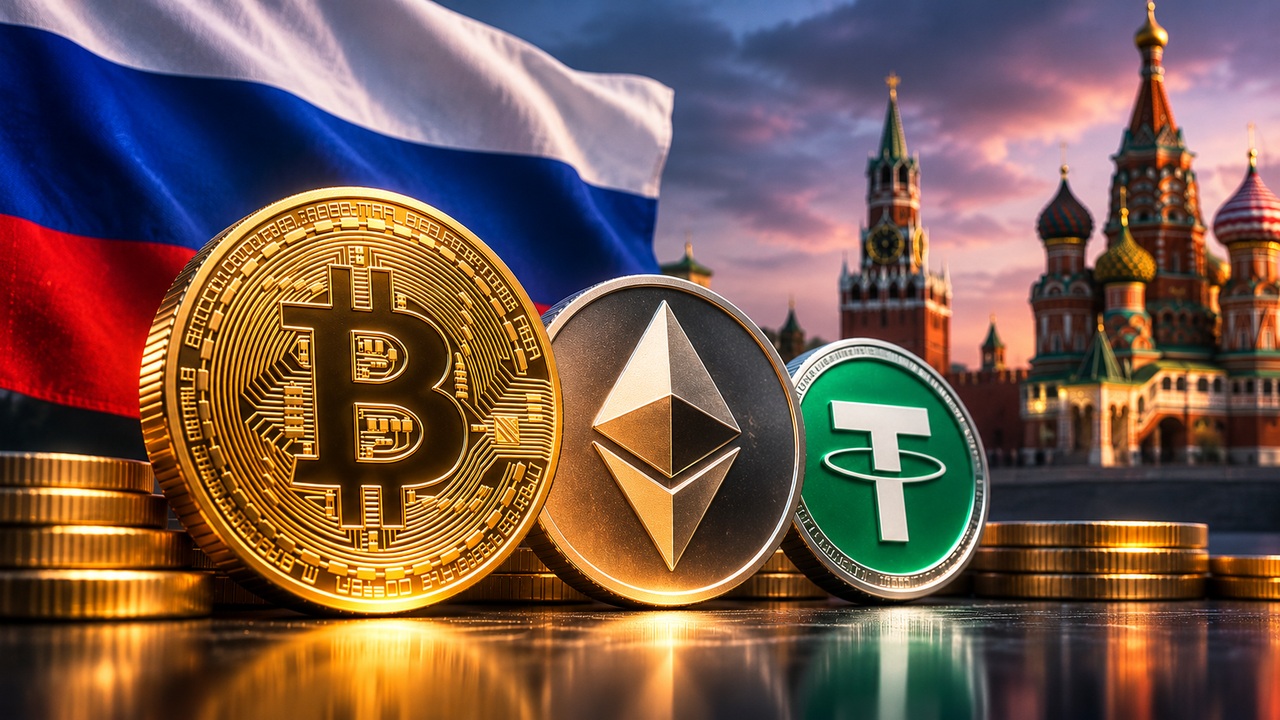
Russia will allow retail investors without special qualifications to purchase Bitcoin, Ethereum, and USDT through authorized intermediaries. The Bank of Russia’s regulation will take effect on November 17 and establish an annual limit of 300,000 rubles per intermediary, approximately $3,700.
This will expand legal access to cryptocurrencies in one of the major emerging markets. However, the restrictions imposed by Moscow raise questions about the true scope of this opening.
Allowing the purchase of three digital assets is not the same as creating a free cryptocurrency market. Russia will permit new transactions but maintain strict control over participants, trading channels, and available assets.
Although it may encourage domestic adoption, it is premature to consider it a major stimulus for international demand.
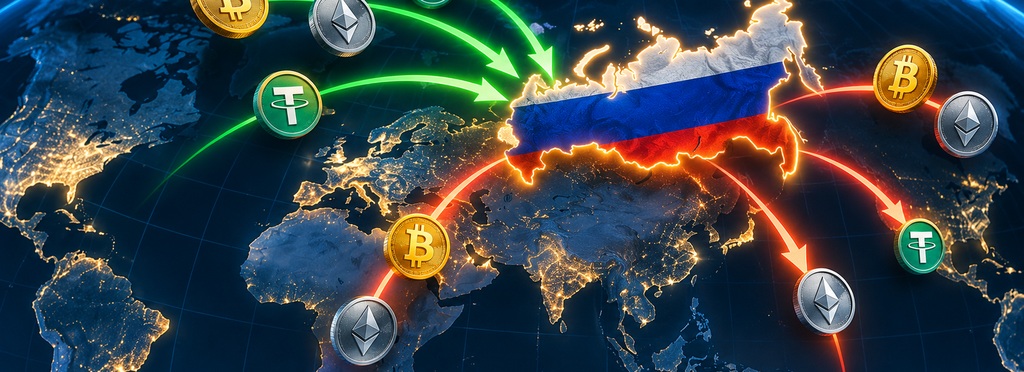
Russia Opens Its Retail Market but Imposes Strict Limits
The Bank of Russia selected BTC, ETH, and USDT based on their liquidity, market capitalization, and trading history. Non-qualified investors will be able to purchase them through authorized brokers, investment managers, and exchanges.
All traders will have to pass an assessment and understand the risks before trading. Qualified investors will have access to a wider range of cryptocurrencies and will not be subject to the same purchase limit.
The distinction between the two groups indicates that Russia prioritizes risk control over investment freedom.
The 300,000-ruble limit restricts retail purchases, although it applies per intermediary and does not necessarily constitute a single maximum per person.
The infrastructure will also develop gradually. Although the regulation takes effect on November 17, exchanges will be able to begin trading cryptocurrencies from November 22, provided the Bank of Russia approves their operating rules.
Therefore, the regulation’s entry into force does not guarantee that all citizens will immediately be able to purchase the three assets on any platform.
Trading services will depend on the availability of authorized intermediaries and their ability to meet regulatory requirements.
Domestic Adoption Does Not Guarantee New International Capital Inflows
The participation of investors could increase trading activity in Bitcoin, Ethereum, and USDT. A regulated market offers an alternative for those who previously faced difficulties trading through traditional financial channels.
It could also attract traders who prefer supervised intermediaries over foreign platforms or informal transactions.
However, potential purchase volumes cannot be calculated solely from Russia’s population. Demand will depend on how many people pass the assessments, have available capital, and decide to invest.
Furthermore, international financial restrictions and sanctions related to Russia complicate the participation of numerous foreign firms.
International platforms must assess their legal obligations before providing services to Russian residents. Obtaining authorization from Moscow does not exempt them from those requirements.
An increase in local trading activity should not be confused with an equivalent inflow of new money into the global market. Some of that activity could come from investors who already owned cryptocurrencies and simply switch intermediaries.
Greater trading activity within Russia does not guarantee additional Bitcoin purchases on an international scale.
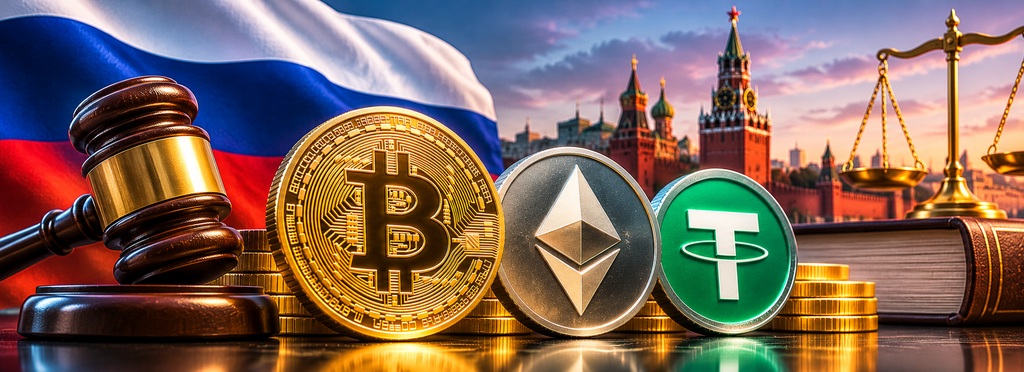
The Rules of the Market Remain Unchanged
Russia’s new regulations acknowledge that banning or broadly restricting retail access is not the only regulatory option.
Other countries may observe how a system combining legal access, mandatory assessments, and investment limits operates. However, there is no reason to assume they will automatically adopt the same model.
Russia also maintains restrictions on using cryptocurrencies as a means of payment and on certain transactions outside authorized channels.
The regulation facilitates investment but creates barriers that limit users’ autonomy. That distinction makes it less attractive to those who believe the main benefit of cryptocurrencies lies in operating without intermediaries.
The opening also does not resolve the geopolitical problems associated with the Russian market. Sanctions, difficulties transferring capital, and compliance obligations may keep numerous international companies away. Encouraging adoption requires more than simply authorizing new retail purchases.
Russia is expanding access to cryptocurrencies, but under conditions designed to maintain state control over their trading. The impact on demand will depend on the actual activity of intermediaries and the purchases investors make once trading begins.