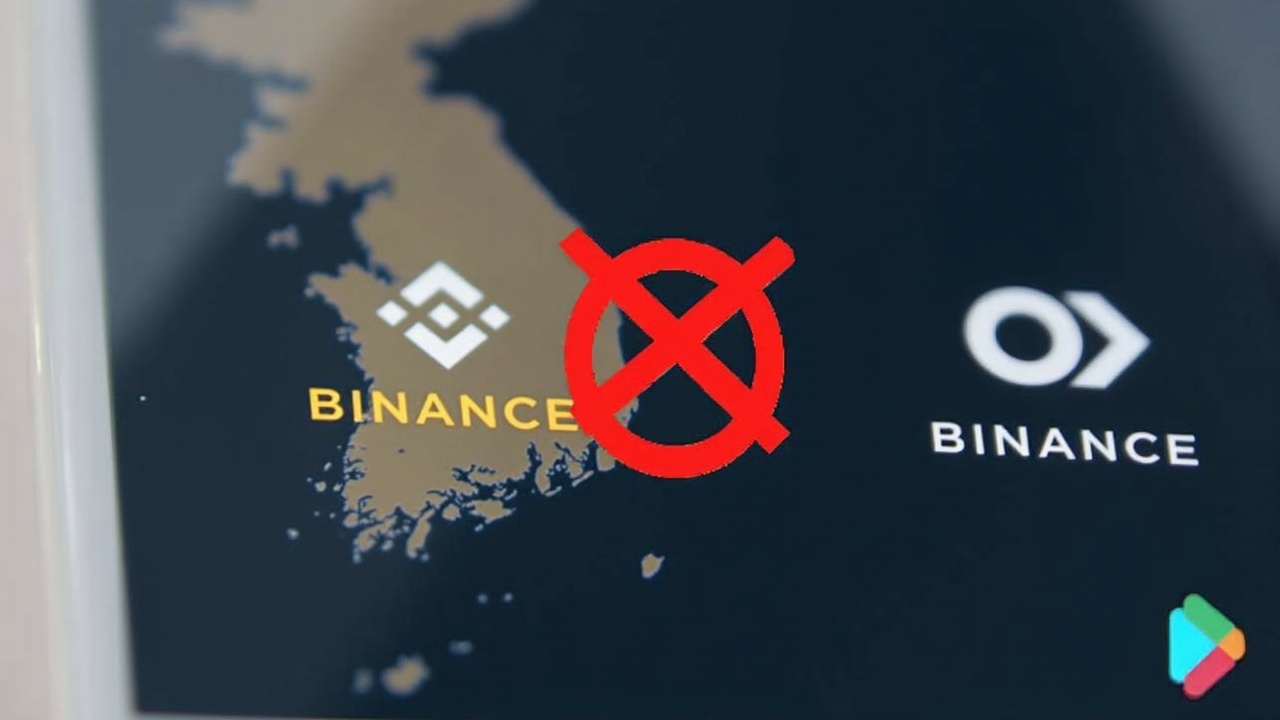
Google Play will begin enforcing a rule on January 28, 2026 that prevents cryptocurrency exchange and custodial wallet apps from being listed or updated in South Korea unless the developer is registered as a Virtual Asset Service Provider (VASP) with the country’s Financial Intelligence Unit (FIU). This enforcement directly impacts app availability, update continuity, and operational resilience for Korean users who depend on these platforms.
The change extends a broader tightening of app-distribution requirements that Google implemented globally in August 2025, and it effectively shifts local licensing accountability onto app publishers and platform operators. In practice, Google Play is being used as a distribution gate to reinforce national regulatory compliance through app-store controls.
What overseas platforms must do to stay listed
To remain available on Google Play in South Korea, overseas exchanges must complete VASP registration with the FIU and meet several operational prerequisites: establishing a formal Korean legal entity, deploying robust AML and KYC controls, and obtaining Information Security Management System (ISMS) certification from the Korea Internet & Security Agency. These conditions create a layered compliance lift across legal setup, controls implementation, and independent security certification.
One market analyst characterized the January 28 deadline as extremely difficult for major overseas exchanges to meet, reflecting concerns that the process is resource-intensive and time-consuming. The timeline risk is operational, not cosmetic, because registration and certification are not quick-turn deliverables.
If registration is not secured by the enforcement date, affected apps may be removed from Google Play in South Korea or blocked from receiving updates. That outcome would prevent both new downloads and the rollout of security patches and critical feature updates, increasing exposure to avoidable operational risk.
Market impact and second-order effects
The risk is amplified for Korean traders who rely on offshore venues for derivatives and perpetuals, especially because domestic venues largely do not offer derivatives. A distribution block could disrupt position management, margin responsiveness, and fund-transfer workflows for users dependent on foreign apps.
Specific platform situations add complexity within the same enforcement framework: Binance is described as holding a stake in a local operator but lacking the required standalone local entity for VASP approval, while OKX has been cited as operating without local registration, which increases its exposure to enforcement. These nuances matter because they shape which firms can realistically maintain distribution and update velocity inside Korea.
Overall, the expected near-term effect is consolidation toward fully licensed domestic exchanges and higher market-entry costs for foreign providers. The January 28, 2026 enforcement becomes the key stress test for overseas platforms’ readiness and for domestic capacity to absorb any displaced demand.