


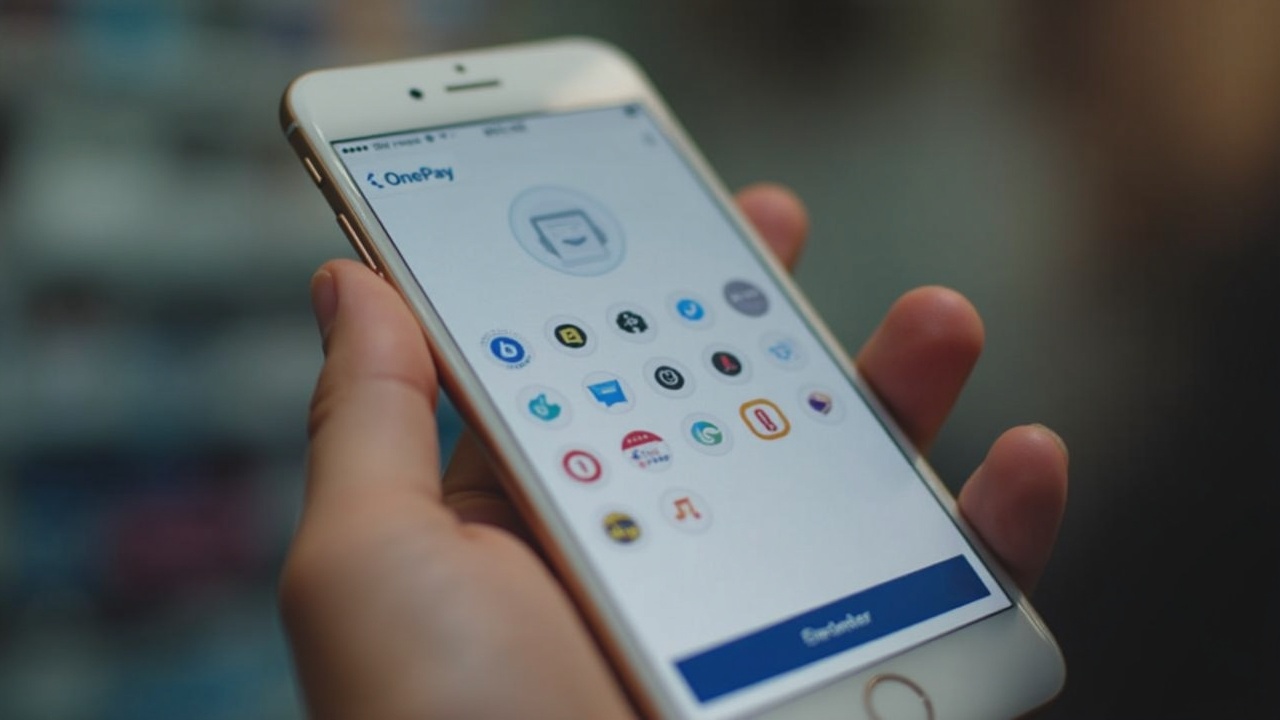
OnePay is widening its crypto footprint through a phased in-app rollout that added 10 new tokens, with more listings following just days later. The expansion gives the Walmart-backed fintech a much broader digital-asset menu as it tries to make crypto access easier for mainstream retail users.
The move builds on OnePay’s earlier entry into the market, when it launched basic crypto trading for Bitcoin and Ethereum in January 2025. What began as a limited offering is now evolving into a broader custody-and-trading product that includes not only large-cap assets but also smart-contract networks, Layer-1 and Layer-2 tokens, and even more niche community-linked products.
A broader token lineup aimed at mainstream users
At launch, OnePay’s crypto feature was limited to Bitcoin and Ethereum, but the latest expansion significantly widened that scope. On March 20, 2026, the app added 10 tokens, including Solana, Cardano, Bitcoin Cash, PAX Gold, Chainlink, Shiba Inu and FC Barcelona’s fan token.
That initial March expansion was followed by another wave of listings days later. OnePay then added infrastructure-focused assets such as Sui, Polygon and Arbitrum, signaling that the company wants users to access a wider range of blockchain ecosystems from inside a familiar retail-finance interface.
The company is presenting the strategy as a simplified on-ramp for people who are new to crypto. By embedding custody and trading directly into the app, OnePay removes the need for users to open separate exchange accounts and lowers the barrier to entry with minimum purchases that can be as low as $1.
The product keeps trading exposure inside the app, not at checkout
Even with the broader crypto offering, OnePay and Walmart are keeping retail payments separate from direct crypto settlement. Merchants are not receiving crypto at checkout, because transactions are still converted instantly into fiat, allowing the companies to preserve existing payment rails while limiting volatility exposure for retailers.
That approach gives users price exposure without forcing merchants to manage digital-asset risk. In practice, the app functions as a crypto custody and trading layer inside a mainstream financial product, rather than as a true crypto payments network at the point of sale.
The token mix also gives the platform a wider market profile. By combining high-liquidity assets, smart-contract platforms, a gold-backed token and community-oriented coins, OnePay is creating a single retail channel that could direct fresh custody and trading flows into a more diverse set of digital assets.
The product design is also being paired with education and user incentives. OnePay says it is using onboarding tools, explanatory materials and incentives such as cashback-style features to turn casual curiosity into sustained trading and custody activity rather than one-time experimentation.
A cautious expansion with bigger market implications
The structure of the rollout suggests a deliberate increase in complexity over time. OnePay has moved from a basic Bitcoin-and-Ethereum offering to a broader multi-token roster and then into infrastructure assets, indicating a cautious attempt to scale crypto exposure alongside user familiarity.
The next question is whether that larger token menu will translate into meaningful retail demand. With an estimated 3 million monthly active users, OnePay now has the reach to test whether a mainstream consumer-finance app can generate noticeable custody flows and liquidity effects across newly listed crypto assets.