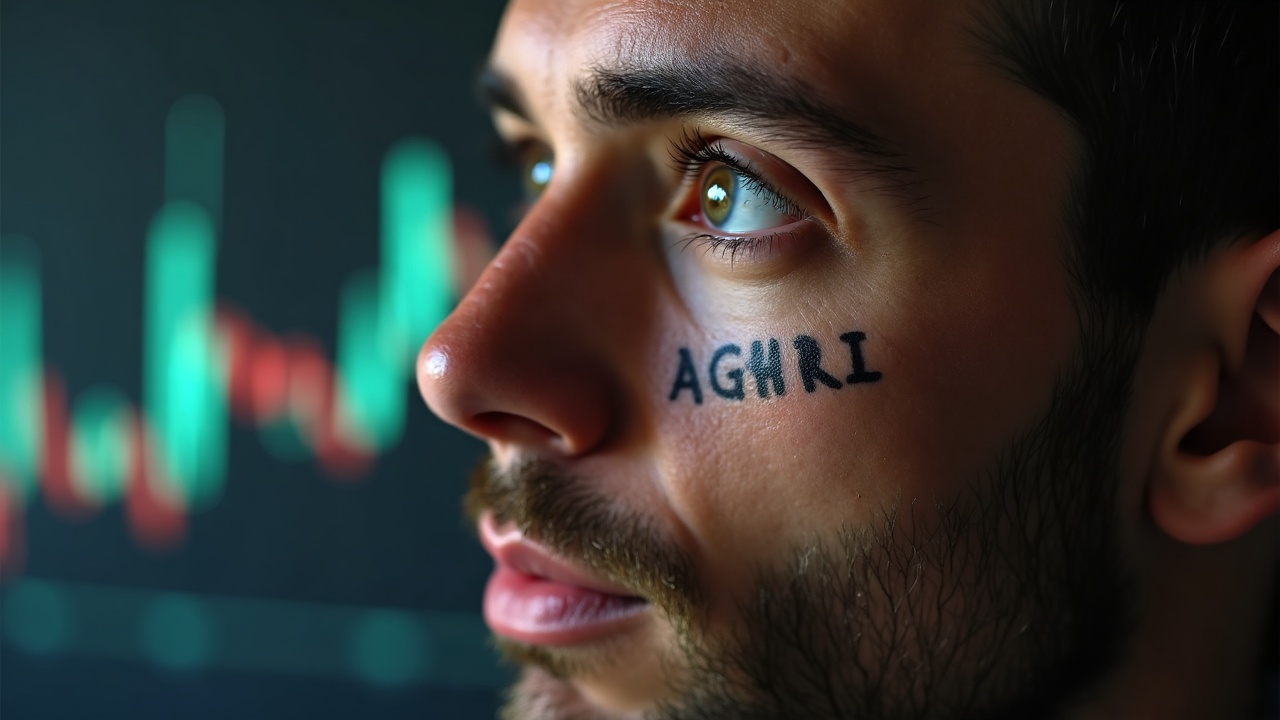
A viral bounty on Pump.fun’s GO platform pushed a bizarre crypto stunt into the spotlight after an Indian man identified as Arivu tattooed a misspelled meme-coin ticker on his forehead. The June 4, 2026 task offered 40 SOL, about $2,400, for a permanent tattoo, but a typo in the listing became the center of the entire episode.
The incident matters because it shows how quickly attention-driven bounty markets can spill into token creation, speculative trading and reputational risk. What began as a simple task turned into a live stress test for platform governance, user protection and microcap market behavior.
Guys I have followed everything exactly what the name mentioned in the line
Its not my mistake I tattoo on my forehead the exact name what @ayushquantt fam mentioned I believe @Pumpfun team review it correctly
Please i gave my life😭$Bountywork #TATTOOontheforehead #tattoo https://t.co/jVVeTG24jG pic.twitter.com/yxQvjFA28K
— Arivu (@Arivulife) June 7, 2026
A Misspelled Tattoo Becomes a Meme-Coin Catalyst
Arivu followed the bounty instructions exactly and permanently inked “$boutywork” on his forehead, matching the misspelling that appeared in the original listing. Once the error surfaced, the typo stopped being a mistake and became the story.
The crypto community then turned the moment into a new token. Supporters created “$BOUTYWORK,” using Arivu’s tattoo selfie as its emblem, and the community response converted a listing error into a tradable meme narrative.
The token moved quickly after launch, reaching a peak market capitalization of $373,000 within hours. By the time the sequence culminated publicly on June 7, 2026, combined on-chain activity and community rewards had pushed Arivu’s proceeds above $17,500.
For traders, the episode highlights how microcap flows can form around spectacle rather than fundamentals. A single viral image, a platform typo and a coordinated community reaction were enough to create a short-lived pocket of concentrated speculative liquidity.
Pump.fun Faces Governance Questions After Viral Stunt
The incident also exposed operational gaps around content moderation and dispute resolution on Pump.fun’s GO platform. Attention-seeking bounties can drive engagement, but ambiguous instructions become materially riskier when users are asked to take irreversible actions.
The most immediate governance concern is pre-screening. Bounty marketplaces that allow permanent physical alterations need stronger moderation systems to block dangerous, exploitative or unclear tasks before they become viral incentives with real-world consequences.
Dispute resolution is another weak point. When a typo changes the meaning of a bounty, platforms need transparent processes to determine responsibility, compensation and user recourse, especially when the completed task cannot be undone.
Age, consent, privacy and psychological safeguards also become relevant when participants are pulled into sudden online visibility. A stunt that looks like marketing traction for a platform can quickly become a personal, reputational and emotional burden for the individual involved.
The trade-off is now harder to ignore. Viral bounty mechanics can generate attention, but that same attention can amplify legal, ethical and reputational exposure when incentives push users toward permanent personal decisions.
Low-liquidity meme coins can emerge and dissipate around social dynamics at extreme speed, so risk models need to account for community-driven issuance, fragile liquidity and platform governance quality.
The Pump.fun episode is likely to intensify scrutiny of platforms that monetize stunts and accelerate calls for clearer moderation and dispute mechanisms. In the end, a misspelled bounty became a market event because crypto incentives turned attention into liquidity.