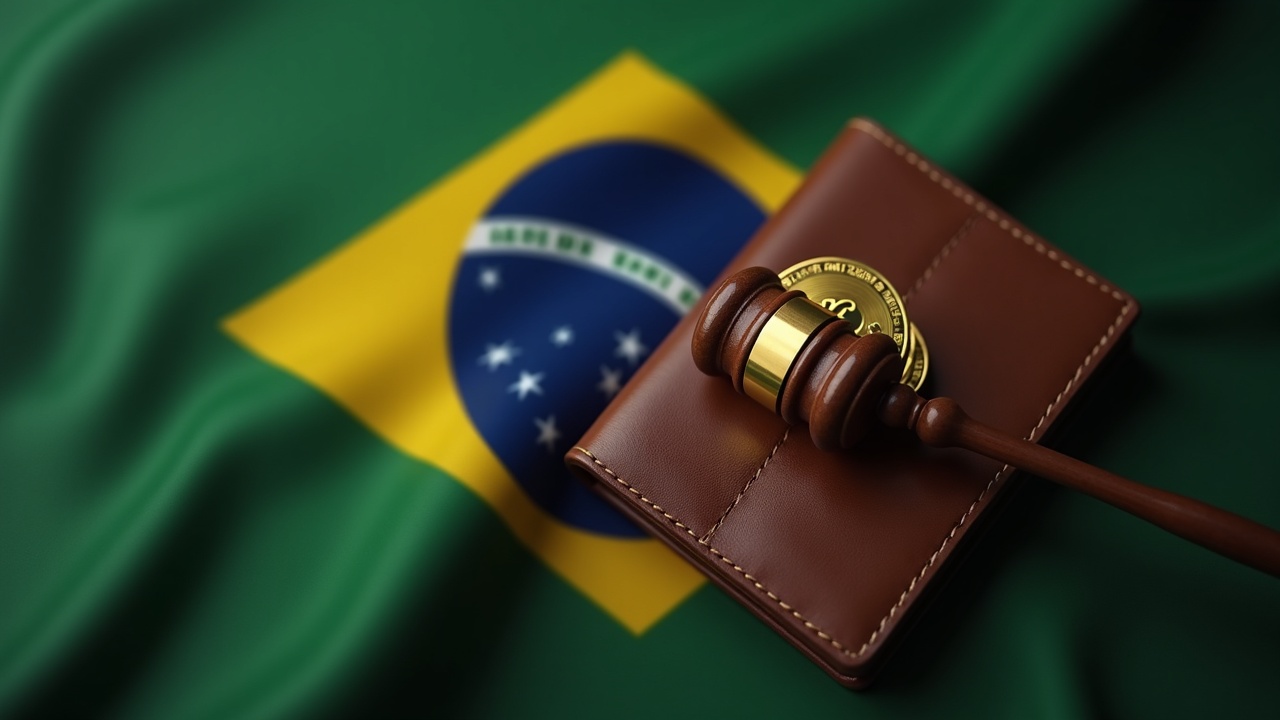
Brazil has moved to tighten the link between crypto enforcement and public-security funding after enacting Law No. 15.358. The new statute gives authorities a direct legal route to seize digital assets tied to criminal organizations and convert those proceeds into operational resources for policing.
The law does more than authorize confiscation at the end of a case. It also allows judges to approve the provisional use of seized cryptoassets before a final conviction, accelerating the shift from frozen evidence to usable funding for public-security operations.
A faster path from seizure to state spending
Under the new framework, confiscated cryptocurrencies such as Bitcoin and other tokens can be directed toward police equipment, intelligence work and specialized training. That design turns seized digital assets into a more immediate budgetary tool rather than leaving them idle through a longer forfeiture process.
The statute also expands judicial authority during investigations. Magistrates can now freeze, block or seize exchanges, wallets and online platforms linked to criminal activity, widening the operational reach of asset-recovery efforts across both traditional and digital channels.
Another important provision goes beyond the seizure itself. People convicted under the law can be permanently excluded from the formal financial system and from regulated crypto activity, extending the consequences well beyond the initial confiscation of assets.
Compliance pressure will rise for platforms and custodians
The law also strengthens coordination across agencies. By creating a national criminal database and supporting international cooperation on asset recovery and intelligence sharing, Brazil is building a more integrated framework for tracing and repatriating crypto-linked proceeds.
For exchanges, custodians and other service providers, the practical effect could be immediate. Judicial orders to freeze wallets or suspend access may now arrive faster and require quicker execution, forcing firms to improve how they handle subpoenas, seizure requests and asset-preservation procedures.
The provisional-use clause is especially significant from an enforcement standpoint. Because it shortens the gap between seizure and deployment, it raises the likelihood that confiscated crypto will become a visible funding source for police activity rather than a dormant legal asset awaiting final judgment.
Brazil’s new framework could produce more frequent compliance interventions and faster on-chain movements tied to seized assets, making legal readiness and operational response more important for anyone active in the market.