Kingsport, Tennessee is moving to formalize how cryptocurrency mining and data center projects can operate inside city limits after the Board of Mayor and Aldermen approved a zoning ordinance on first reading on January 20, 2026. The proposal is not a ban; it’s a controls-first framework that still needs a second vote before it becomes enforceable policy.
The ordinance reads like a governance and risk-management playbook for digital infrastructure. It sets measurable operating conditions—where facilities can sit, how loud they can be, and what approvals they must secure—so the city can permit projects without leaving residents exposed to open-ended nuisance impacts.
What the ordinance requires in practice
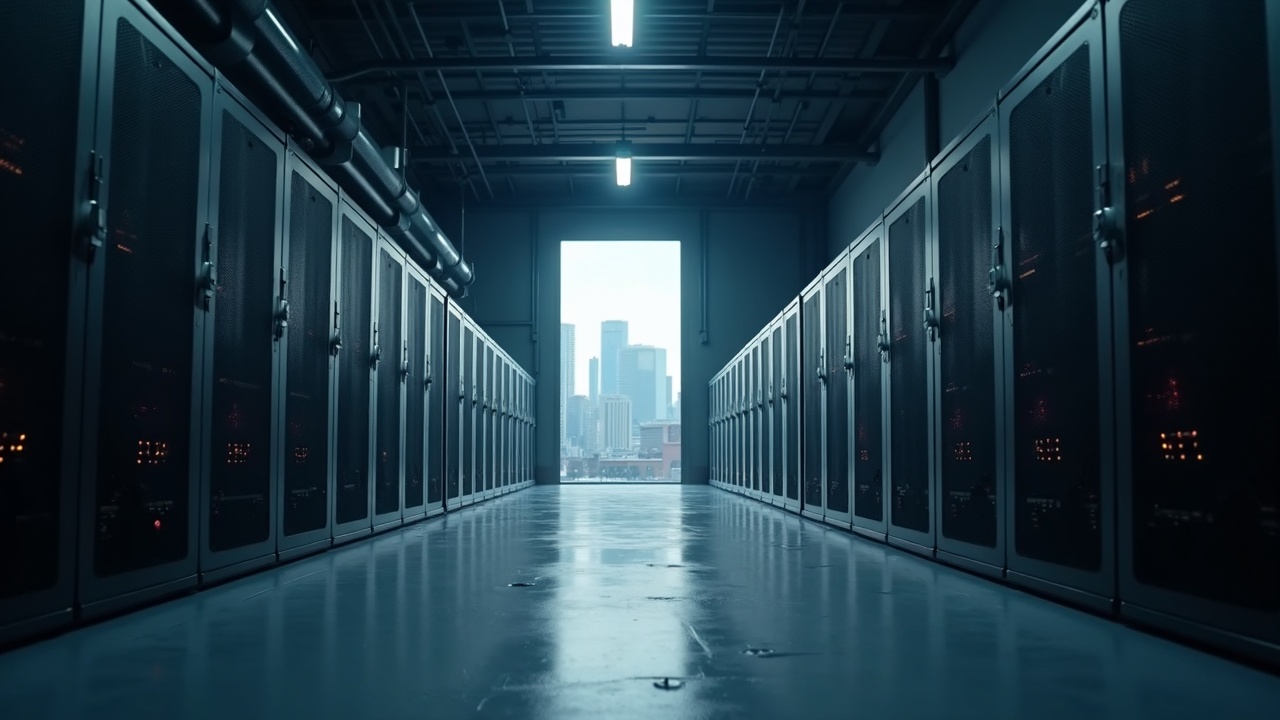
The operational conditions are explicit and compliance-oriented. Mining and related data-center activity must run inside fully enclosed buildings, which is designed to reduce externalized noise and visible industrial spillover. In addition, facilities must maintain a minimum setback of 500 feet from any residential structure or residential zoning district, creating a hard spatial buffer between industrial operations and neighborhoods.
Noise is treated as a core control point. The ordinance caps operational noise at 60 dBA measured at the property line and calls for multiple sound studies across permitting and construction, turning “quiet enough” into a testable, auditable requirement. Zoning is also tightened: cryptocurrency mining is permitted only as a principal use in heavy industrial (M-2) districts and requires a special-exception approval from the Board of Zoning Appeals, adding a discretionary gate to the process.
City officials framed the update as a gap-closure exercise. Planners argued that legacy zoning language didn’t capture the real-world footprint of modern data centers and mining operations, so the city is shifting from vague categories to enforceable performance standards. The ordinance was also presented as a flexible alternative to harder-line approaches used elsewhere, with elected officials emphasizing resident protection while keeping a path open for technology-led industrial investment.
Public pushback and what it means for approvals
Community feedback was mixed and operationally specific. Residents raised concerns about persistent noise, heavy electricity consumption and the possibility that large loads could pressure local power rates, effectively turning infrastructure scale into a household-cost issue. Those concerns map directly into permitting risk: even with objective standards on paper, projects still face scrutiny in hearings and may need to demonstrate credible controls, monitoring, and responsiveness.
From a compliance and execution standpoint, the pathway is clear but not frictionless. Applicants should expect to produce detailed site plans proving the 500-foot buffer, deliver multiple acoustic assessments that support the 60 dBA cap, and build a strong special-exception record that addresses community impact and utility load. In practice, this creates a higher documentation burden up front, but it also reduces ambiguity later by clarifying what “good standing” looks like.
A second reading will determine whether Kingsport converts this first-step approval into binding rules. Early permitting outcomes—especially the first special-exception decisions—will be the real market signal on whether the requirements are workable at scale and whether the city is willing to greenlight projects that meet the letter and spirit of the controls.