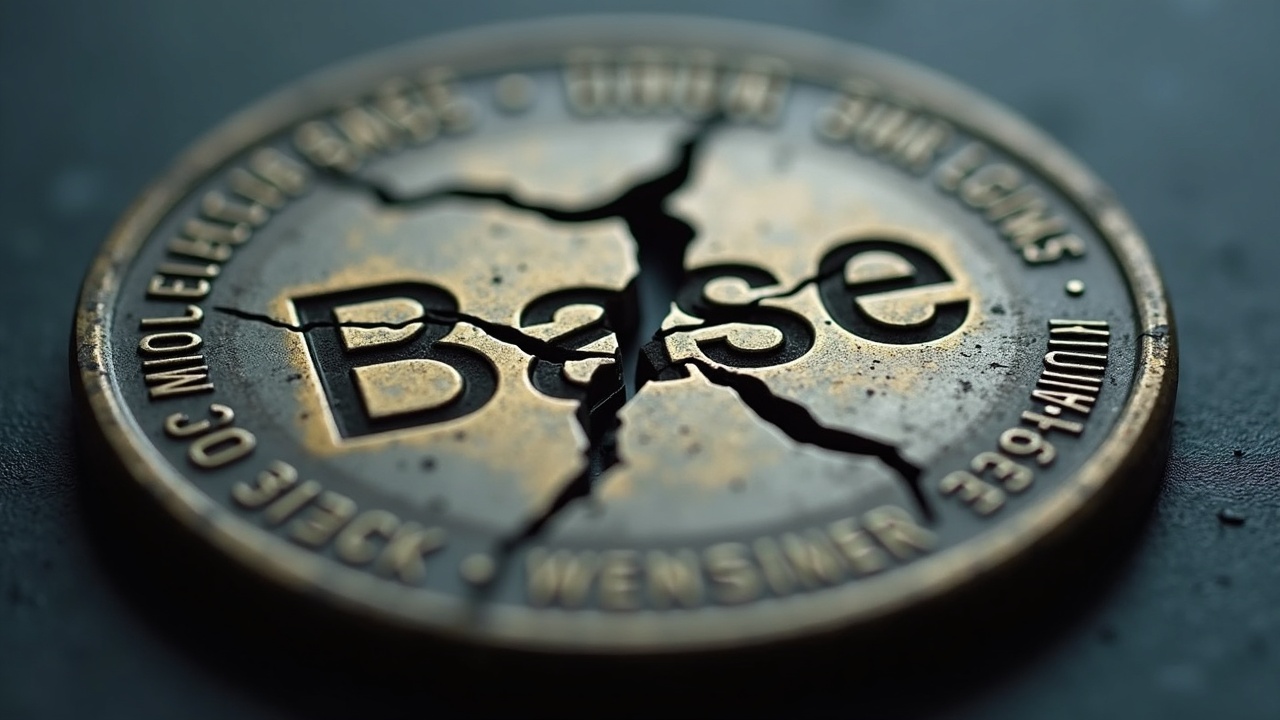
Developer dissent has sharpened around Base, Coinbase’s Layer-2, as builders argue the network is being pushed through a narrow “creator coin” storyline while early Base-native projects feel sidelined. The dispute focuses on perceived favoritism toward Zora-aligned initiatives, inconsistent token listing behavior, and creator-token blowups that have deepened community distrust.
Builders say Base’s public positioning as open and builder-friendly doesn’t match what they see in day-to-day execution. Critics point to Base’s creator-coin push and its tight relationship with Zora as a “forced narrative” that crowded out other Base-native efforts. One ecosystem lead summarized the sentiment bluntly: “If you’re not part of the favored narrative, you effectively don’t exist,” said Jacek, who leads the Degen token ecosystem on Base.
I see Brian on the feed over the holiday and I’m ngl I personally don’t think it’s in good faith. They’ve run this same playbook for a long time now, remember we’re dealing w the same people at CB who refused to list a single Base coin for over a year. And when they finally did…
— rb3k (@rbthreek) January 1, 2026
Listing Standards and the “Marketplace vs Endorsement” Debate
Complaints also extend to Coinbase’s token listing posture. Developers describe an early reluctance to list Base-native tokens, followed by what they call low-quality or poorly timed listings, while Coinbase listed numerous Solana memecoins that later plunged. In their view, the mismatch between selective promotion and uneven listing standards undermines the original “developer-first” promise. The core allegation is not just marketing bias, but operational inconsistency that changes incentives for builders deciding where to deploy.
Coinbase leadership has pushed back by drawing a hard line between being a marketplace and being an endorsement engine. On January 2, 2026, CEO Brian Armstrong outlined a broader plan to turn Coinbase into an “everything exchange” and to use Base to accelerate on-chain adoption through expanded developer tooling. He argued that centralized listings are operationally complex and should not be treated as an endorsement of any specific token or project.
Coinbase has millions of tokens available now via DEX. That’s the best way to get more tokens listed.
CEX listings are more difficult for variety of reasons, not all in our control.
Also, don’t treat any listing as an endorsement – we’re trying to build the everything exchange,…
— Brian Armstrong (@brian_armstrong) January 2, 2026
Reputational Overhang and Ecosystem Retention Risk
The defense has not fully contained reputational fallout inside the community. Critics cite creator tokens that briefly hit speculative valuations—one reportedly touched $9 million—before collapsing, fueling accusations that the model enables “scam token generator” dynamics. Whether that label is fair or not, the repeated pattern of spikes and collapses has weakened confidence. When outcomes look chaotic, builders start pricing in platform risk, not just product risk.
The cumulative critique clusters into three themes: perceived favoritism toward Zora partners, listing inconsistency between Base-native and non-Base assets, and market outcomes that eroded trust. Together, these factors increase the probability of developer migration to L2s viewed as more neutral or consistently developer-centric. In ecosystem markets, talent is the leading indicator. If builders feel ignored or whiplashed by shifting narratives, activity often follows them elsewhere.
Looking through 2026, investors and builders will watch execution rather than slogans. Coinbase’s “everything exchange” ambition and Base’s role as a growth vector depend on rebuilding developer trust through consistent, transparent operational practices. Transaction volume alone may not resolve the tension if support remains unpredictable. The real test is whether Base can demonstrate durable, platform-wide neutrality while still pursuing creator-focused initiatives without crowding out the broader developer base.