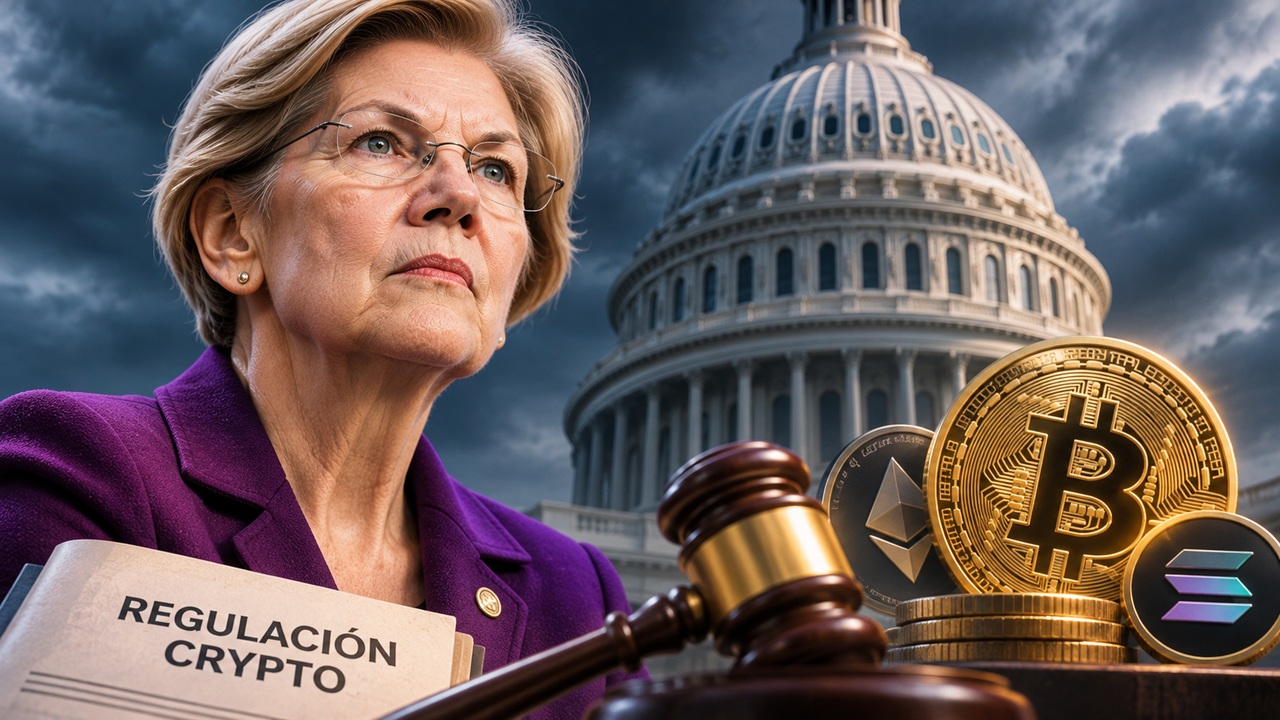
The Democrats’ victory in the US midterm elections sets the stage for an important shift in the crypto industry. Senator Elizabeth Warren could become chair of the Senate Banking Committee in January 2027, after years of questioning cryptocurrency oversight and calling for stronger investor protections.
Warren has not yet assumed the position, but her track record offers an indication of which issues could receive greater attention. These include digital asset custody, banking charters for crypto companies, retirement funds, and the powers of the Securities and Exchange Commission (SEC).
The question is not simply whether the United States will impose stricter rules. It also matters how long companies will have to wait for regulatory approvals, what obligations they will face, and which products they will be allowed to offer their customers.
The industry has spent years advocating for clear operating rules. However, more detailed legislation does not always encourage business activity: it can also raise costs and restrict certain services.

Warren Could Change Crypto Oversight Priorities
The Senate Banking Committee helps develop financial legislation and oversees federal agencies responsible for banking and securities markets.
Its chair can lead hearings, request documents, and initiate investigations. The position does not, by itself, provide the authority to revoke approved ETFs or directly change SEC regulations.
Even so, those powers can affect companies that need regulatory approvals or maintain relationships with US banks.
Warren has already questioned banking charters granted to digital asset companies. In a letter to the Office of the Comptroller of the Currency (OCC), she argued that certain companies were seeking to conduct bank-like activities without assuming all the corresponding obligations.
Her concern is that a company could offer custody, payments, or stablecoin-related services under a different regulatory framework from the one governing traditional banks.
From a financial protection standpoint, requiring comparable safeguards for similar activities has a reasonable justification.
The problem for the industry arises when regulatory requirements become too expensive for smaller companies or new entrants, while established financial institutions can absorb those costs more easily.
Regulation designed to reduce risks can also end up benefiting operators that already dominate the market.
ETFs and Retirement Accounts Could Face Greater Scrutiny
One of the strongest disagreements between Warren and the industry concerns the inclusion of cryptocurrencies in traditional investment products.
In January, the senator requested answers from the SEC about the protections available to savers after the Trump administration promoted access to digital assets through 401(k) retirement plans.
Her argument is that workers could be exposed to substantial losses because of the volatility of these instruments.
Her concern deserves attention. A cryptocurrency may be suitable for an investor willing to accept major price fluctuations but inappropriate for someone who depends on their savings for retirement.
However, there is also a difference between requiring risk disclosures and broadly restricting access to certain assets.
The first approach allows people to make better-informed decisions. The second reduces the available options, even for those who understand the risks.
In the case of ETFs, a change in legislative leadership could increase scrutiny of marketing practices, custody arrangements, and disclosure obligations. That does not mean existing funds will disappear.
Regulatory Clarity Can Also Become a Constraint
Warren has argued that digital asset legislation should preserve the protections established in traditional financial markets.
During the debate over the CLARITY Act, she challenged provisions that, in her view, could weaken oversight and create opportunities for conflicts of interest to arise.
The industry, meanwhile, needs to know which agencies oversee each activity and what requirements issuers, exchanges, and custody providers must meet.
Both concerns can coexist. Ambiguous rules make investment more difficult, but excessive requirements can prevent new competitors from entering the market.
Large platforms have legal departments, compliance teams, and the resources to negotiate with banking providers. A startup would have to deal with the same requirements without having a comparable structure.
There is also an international dimension to the issue. If operating in the United States becomes more complicated, some companies could develop products in other jurisdictions.
That does not guarantee that US users will be legally allowed to access those services. Nor does it eliminate the problems associated with operating beyond the reach of local regulators.
Institutional Adoption Will Depend on Decisions Warren Does Not Fully Control
Warren’s potential chairmanship comes at a time when banks, asset managers, and payment providers have introduced cryptocurrency-related services.
More intensive congressional oversight could affect the pace of some initiatives, particularly those requiring approval from federal agencies.
But the Senate Banking Committee does not control US financial regulation on its own. The SEC, CFTC, Federal Reserve, and banking regulators retain their own authority, while any legislative reform must go through the congressional process.
Not all Democrats necessarily share Warren’s positions on digital assets, either.
The difference between regulation that protects users and regulation that hinders competition will depend on its provisions: capital requirements, custody obligations, banking access, intermediary responsibilities, and conditions for offering investment products.
The consequences for crypto companies will depend on which proposals become law, what decisions regulators make, and how institutions already offering digital asset services respond.